




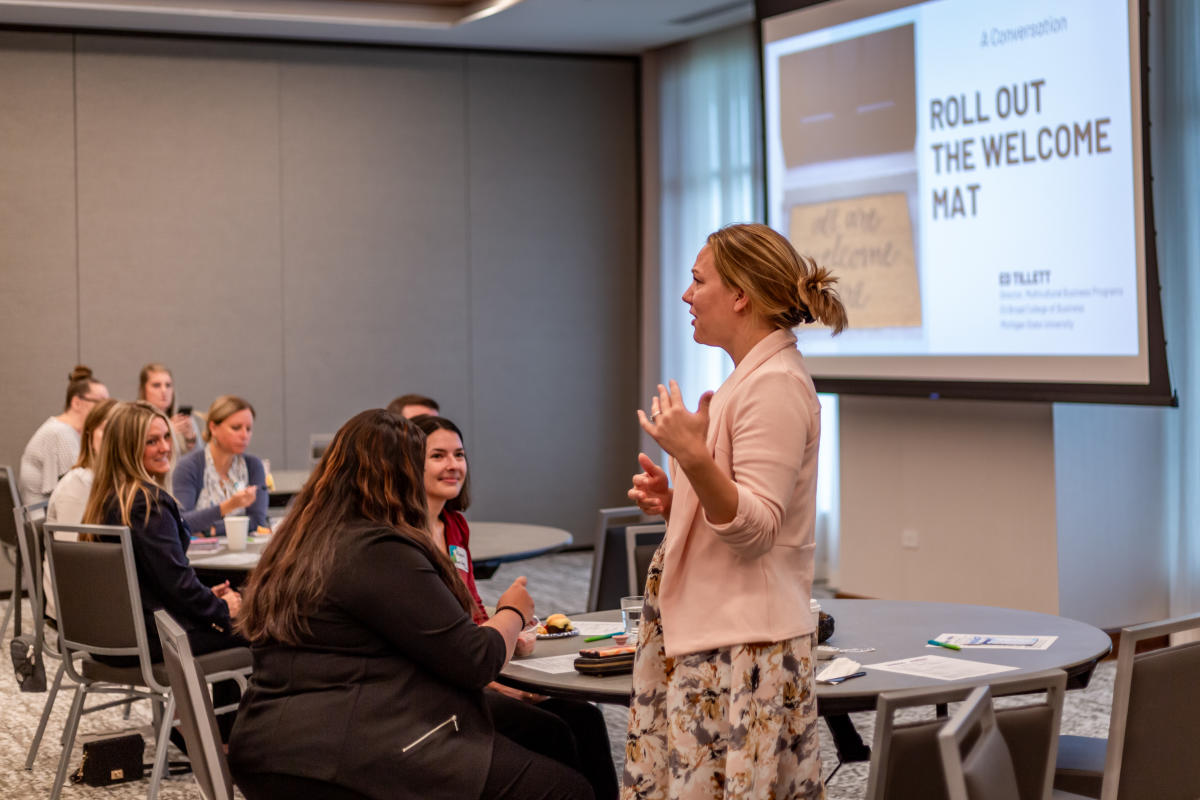
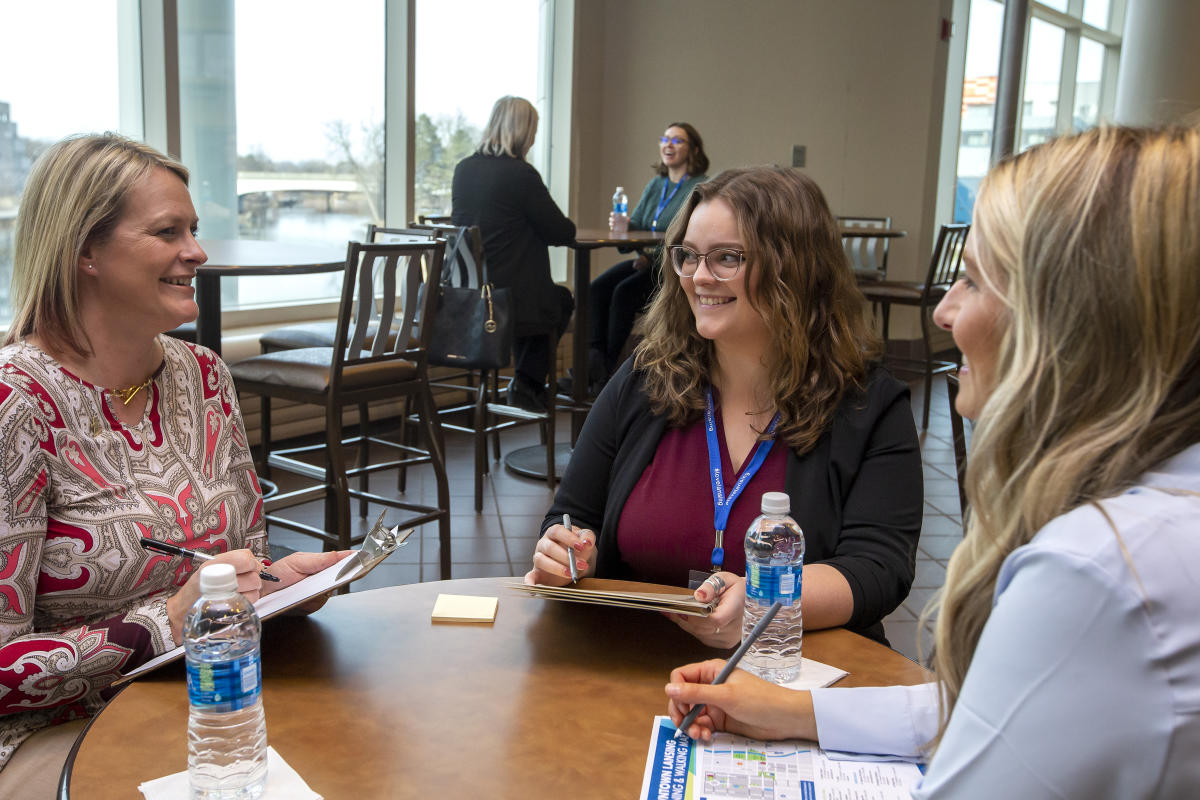
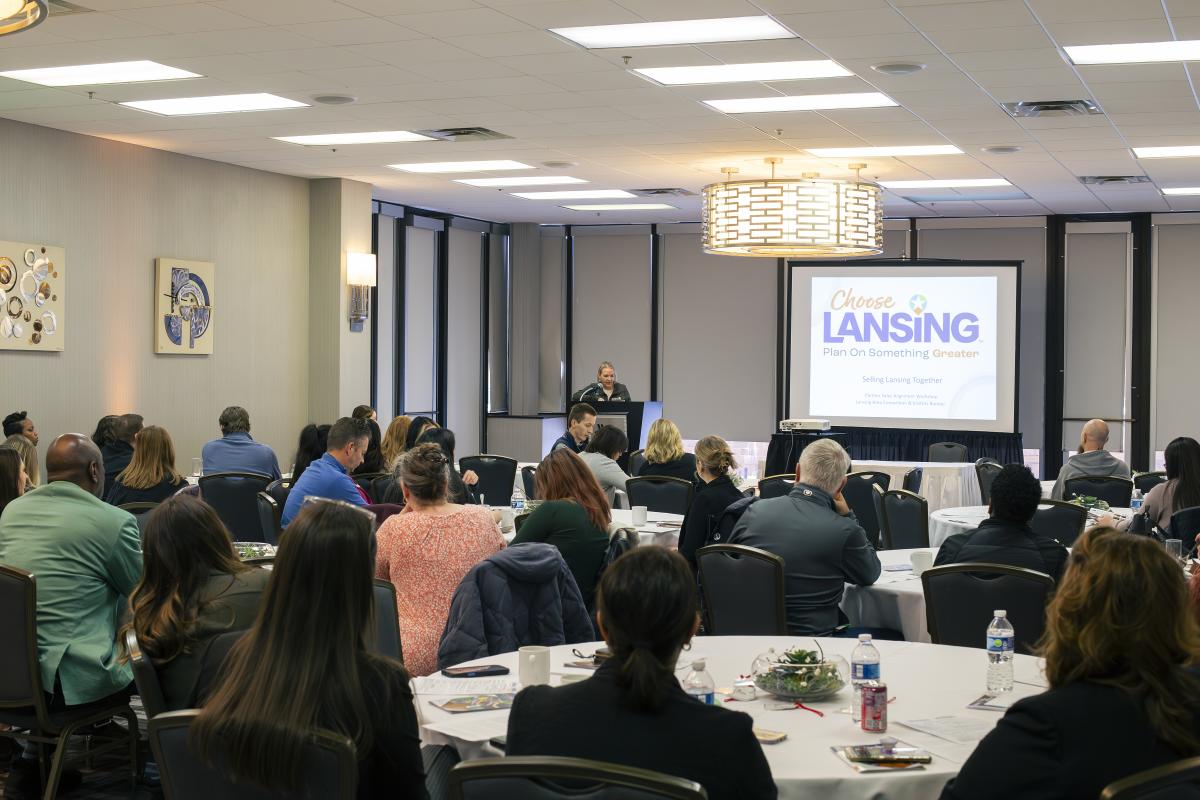
At Destination Michigan’s recent CMP Experience, Brandie Putnam and I were able to sit in on candid conversations between hotel partners and meeting planners where discussions went beyond logistics and explored what truly makes a partnership successful.
What emerged was a shared desire for better communication, more transparency, and a stronger sense of collaboration on both sides.
Here are 10 key takeaways suppliers want planners to keep in mind:
1. Start with transparency
Be upfront about your budget expectations and which concessions matter most. When both sides understand priorities from the beginning, it creates a more collaborative partnership rather than a purely transactional exchange.
2. Share the “why” behind your event
Don’t just provide specifications, share your goals. When suppliers understand the purpose of your meeting, they can suggest solutions that better align with your objectives and elevate the overall experience.
3. Pick up the phone
While email is convenient, it can slow down decision-making and lead to miscommunication. A quick phone call often resolves questions faster and builds stronger working relationships.
4. Make feedback part of the process
After the event, take time to share feedback (both positive and constructive) through a call or survey. Recognizing what worked well not only strengthens partnerships but also highlights team members who made an impact.
5. Stay flexible where you can
Flexibility, especially with dates, can open the door to better rates and added value. Shifting to need periods often allows hotels to offer more attractive incentives.
6. Speak up about pricing
If room rates or meeting space fees feel too high, say so. There may be opportunities to adjust pricing or explore alternative options that better fit your budget.
7. Customize your food and beverage experience
Menus are a starting point, not a limitation. If your group has specific preferences or requests, just ask. Many properties are willing to tailor offerings to better suit your attendees.
8. Communicate changes early
Even small updates to attendance, agendas, or room setups can significantly impact staffing and operations. Early communication helps suppliers adapt and deliver a smoother experience.
9. Ask instead of assume
Policies, pricing structures, and operational realities evolve. Asking questions ensures you’re working with the most current information and avoids unnecessary friction.
10. Lead with empathy
At the end of the day, both planners and suppliers are managing complex, high-pressure environments. Approaching the relationship with empathy fosters trust and better outcomes for everyone involved.
Ultimately, the most successful events are built on trust, communication, and a shared commitment to the end goal. When planners and suppliers approach each other as true partners, not just transactional counterparts, the result is a smoother process and a more impactful experience for everyone involved.

How Can We Help?
Feel confident with our fully-accredited Choose Lansing® and Certified Meeting Professionals.


Event Venues for All Occasions
Let us help find the perfect space for your event and the rooms to house your attendees.